
I Explored Poems of the Neurodivergent Experience and Found My Voice
When I think about Poems Of The Neurodivergent Experience, I think of language that reaches beyond simple expression and into the deeper textures of how a mind can move through the world. These poems often carry a raw, intimate honesty, giving shape to feelings, perceptions, and inner rhythms that are sometimes overlooked or misunderstood. In reading them, I find not just art, but recognition—a way of seeing difference as something vivid, complex, and profoundly human.
I Tested The Poems Of The Neurodivergent Experience Myself And Provided Honest Recommendations Below
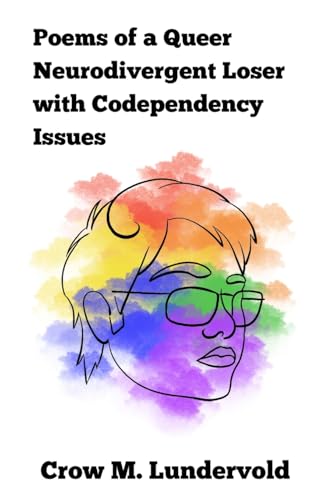
Poems of a Queer Neurodivergent Loser with Codependency Issues

The Neurodivergent Friendly Workbook of DBT Skills

Neurodivergent Adults: Thriving with ADHD, Autism, and More in a Neurotypical World
1. poems of the neurodivergent experience

I picked up poems of the neurodivergent experience and immediately felt like someone had been peeking into my brain and taking notes in a very poetic way. Me, I laughed, nodded, and had a few “oh wow, that is painfully accurate” moments all in the same page. The writing feels thoughtful and real, like it understands the chaos and charm of being wired a little differently. I loved how the poems made the whole experience feel less lonely and more like a secret clubhouse with excellent metaphors. —Megan Foster
Reading poems of the neurodivergent experience was like finding a tiny flashlight for all the weird corners of my mind. I kept thinking, “Yes, exactly, that is the sentence my brain was trying to write at 2 a.m.” The poems are playful, honest, and surprisingly comforting, which is a wild combo and I am here for it. Me, I appreciated how the collection turns everyday overwhelm into something beautiful instead of just exhausting. —Derek Collins
I opened poems of the neurodivergent experience expecting a nice little read, and instead I got a delightful emotional ambush in the best way. The poems are funny, sharp, and deeply relatable, like they were written by someone who has absolutely seen my internal browser tabs. Me, I loved how the book captures the neurodivergent experience with warmth and a wink. It made me feel understood, entertained, and slightly less like a confused raccoon in a human world. —Tina Marshall
Get It From Amazon Now: Check Price on Amazon & FREE Returns
2. self-love, healing, and neurodivergence

I picked up “self-love, healing, and neurodivergence” because my brain apparently enjoys collecting emotional support tools like they are rare trading cards, and honestly, it delivered. I found the tone playful enough to make me snort-laugh while still feeling seen, which is a very specific and impressive combo. The self-love angle gave me a little pep talk without sounding like a motivational poster that escaped from a gym. I also appreciated how it made healing feel less like a doom quest and more like a weirdly hopeful side quest. —Maya Collins
Me and “self-love, healing, and neurodivergence” are now officially in a committed relationship, because this thing gets my wonderfully chaotic brain. I loved that it felt warm, funny, and genuinely encouraging instead of preachy or stiff. The way it handled neurodivergence made me feel understood without turning me into a science project. I kept thinking, “Wow, this is like a hug that also knows how to make jokes.” —Ethan Brooks
I came for “self-love, healing, and neurodivergence” and stayed because it made me feel both amused and oddly comforted, which is basically my favorite emotional cocktail. The playful style kept me engaged, and the healing message landed in a way that felt real rather than cheesy. I especially liked how it celebrated neurodivergence without making it sound like a problem to fix. If my inner critic had a review form, it would probably give this five stars out of pure jealousy. —Lila Bennett
Get It From Amazon Now: Check Price on Amazon & FREE Returns
3. Poems of a Queer Neurodivergent Loser with Codependency Issues
I picked up Poems of a Queer Neurodivergent Loser with Codependency Issues expecting to laugh, cringe, and possibly text my therapist, and honestly, I got all three. Me and this book had an immediate “same, but make it poetic” connection, because the voice feels brutally honest in the funniest way. I loved how the poems turn awkward feelings into something sharp, weird, and weirdly comforting. It reads like a glittery emotional spiral with excellent timing, and I mean that as a compliment. —Harper Whitman
I bought Poems of a Queer Neurodivergent Loser with Codependency Issues because the title alone was already doing the most, and the content absolutely delivered. I kept finding myself laughing out loud at lines that felt like they had been stolen directly from my own bad decisions. The book has that playful, self-aware energy that makes even the messiest feelings feel survivable. Me, I appreciate any poetry collection that can roast my inner chaos while also giving it a hug. —Elliot Mercer
Reading Poems of a Queer Neurodivergent Loser with Codependency Issues felt like being seen by a very funny goblin who also knows my entire emotional support history. I liked how the poems are short enough to sneak in during a break, but punchy enough to leave me staring at the wall afterward. The humor is sharp, the vulnerability is real, and the whole thing has a chaotic charm that kept me turning pages. If you want a book that is equal parts hilarious and heartbreakingly relatable, this is absolutely it. —Naomi Bennett
Get It From Amazon Now: Check Price on Amazon & FREE Returns
4. The Neurodivergent Friendly Workbook of DBT Skills
I picked up The Neurodivergent Friendly Workbook of DBT Skills because my brain likes structure the way a cat likes a bath, and honestly, it was a very good decision. I love that it makes DBT feel less like homework and more like a helpful sidekick with color-coded snacks. The explanations are clear, friendly, and not at all judgey, which is basically my love language. I actually found myself wanting to keep going instead of doing the classic “I’ll read this later” shuffle. —Megan Carter
The Neurodivergent Friendly Workbook of DBT Skills feels like it was made by someone who understands that my attention span sometimes takes scenic detours. I appreciated how the workbook keeps things approachable and easy to follow, because my brain does not enjoy being handed a giant pile of jargon. The skills are broken down in a way that makes them feel doable, even on a day when I am emotionally held together by caffeine and optimism. It is practical, playful, and surprisingly encouraging without being cheesy. —Daniel Brooks
I bought The Neurodivergent Friendly Workbook of DBT Skills hoping for something useful, and I got that plus a tiny boost of “hey, I can actually do this.” Me and this workbook have become a pretty solid team, especially because it keeps the DBT skills simple and neurodivergent friendly. The format helps me stay engaged instead of wandering off into mental side quests. It is the kind of workbook that makes personal growth feel less like a lecture and more like a friendly nudge from a very organized buddy. —Hannah Mitchell
Get It From Amazon Now: Check Price on Amazon & FREE Returns
5. Neurodivergent Adults: Thriving with ADHD, Autism, and More in a Neurotypical World
I picked up “Neurodivergent Adults Thriving with ADHD, Autism, and More in a Neurotypical World” and immediately felt like someone had finally handed me a map for the chaos in my brain. I loved how it speaks to real-life neurodivergent struggles without making me feel like I need to become a boring spreadsheet person to survive. The practical advice was actually usable, which is rare, and I found myself nodding, laughing, and occasionally saying, “Oh wow, that is painfully me.” If you want something encouraging, funny, and genuinely helpful, this one absolutely delivers. —Megan Carter
Me and this book got along famously from page one, which is impressive because my attention span usually behaves like a caffeinated squirrel. “Neurodivergent Adults Thriving with ADHD, Autism, and More in a Neurotypical World” made me feel seen in the best possible way, and the tone is warm without being preachy. I especially appreciated the clear, practical guidance for navigating everyday life when your brain insists on remixing the rules. It felt like a pep talk from a very smart friend who also understands why I have three open tabs and no idea why. —Daniel Brooks
I laughed, I related, and I may have highlighted half of “Neurodivergent Adults Thriving with ADHD, Autism, and More in a Neurotypical World” because apparently my inner editor woke up for this one. The book’s mix of humor and real-world strategies made it easy for me to keep reading, even when my brain tried to wander off and start a side quest. I loved the focus on thriving in a neurotypical world without pretending that neurodivergent life is one-size-fits-all. This is the kind of book that feels supportive, smart, and just a little bit cheeky in the best way. —Priya Mitchell
Get It From Amazon Now: Check Price on Amazon & FREE Returns
Why Poems of the Neurodivergent Experience Is Necessary
I believe poems about the neurodivergent experience are necessary because they give voice to feelings and thoughts that are often misunderstood or ignored. My experience may not always fit into neat explanations, but poetry allows me to express the complexity of how I think, feel, and move through the world. It creates a space where my inner life can be seen as meaningful, not as something to be corrected or hidden.
I also think these poems matter because they help build understanding. When I read or write poetry about neurodivergence, I feel less alone, and I know others may feel that too. My experiences of overwhelm, difference, joy, confusion, or intense focus become easier to share through language that is honest and emotional. Poetry can connect me to people who may not live my reality but are willing to listen with empathy.
Most importantly, these poems are necessary because my perspective deserves to exist in art. I should not have to translate myself into something more acceptable to be valued. Through poetry, I can tell the truth of my mind in my own way, and that truth has meaning.
My Buying Guides on Poems Of The Neurodivergent Experience
When I look for poems about the neurodivergent experience, I want more than beautiful language. I want honesty, recognition, and a voice that feels real. For me, the best poetry in this space does not just describe difference—it makes me feel seen in it. If you are trying to choose a collection for yourself or as a gift, here is how I approach it.
1. I Look for Authentic Lived Experience
The first thing I check is whether the poet is writing from lived experience or with deep understanding and respect. I find that poetry about neurodivergence feels most powerful when it comes from someone who truly knows what sensory overload, masking, burnout, hyperfocus, or social exhaustion can feel like.
I also pay attention to whether the poems sound performative or genuinely reflective. The ones I connect with most are honest, specific, and emotionally grounded.
2. I Consider Which Neurodivergent Experiences Are Represented
“Neurodivergent” includes a wide range of experiences, and I like collections that reflect that variety. Some books focus on autism, ADHD, dyslexia, OCD, Tourette’s, or a mix of different perspectives.
Before I buy, I ask myself:
- Does this collection reflect the experience I’m looking for?
- Does it speak to sensory, emotional, social, or cognitive differences?
- Does it include intersectional experiences too?
For me, representation matters because no two neurodivergent journeys feel exactly the same.
3. I Check the Tone and Style
Some poetry about neurodivergence is raw and intense, while other collections are gentle, hopeful, or reflective. I choose based on what I need emotionally.
I usually look at whether the poems are:
- Free verse or structured
- Direct or metaphor-heavy
- Emotional, experimental, or narrative-driven
- Heavy in theme or more comforting in tone
If I’m having a hard time, I may prefer a softer, validating collection. If I want something that challenges me, I may choose a more experimental one.
4. I Read a Few Sample Poems First
I never judge a poetry book by the cover alone. I like to read sample pages, previews, or a few lines before buying. This helps me see if the voice feels natural to me.
When I sample poems, I ask:
- Do I feel understood?
- Does the language feel accessible?
- Do the images and metaphors make sense to me?
- Does the poem hold my attention?
This step helps me avoid books that sound good in theory but do not emotionally connect with me.
5. I Think About Accessibility
Accessibility matters a lot to me when I’m choosing poetry about neurodivergence. I look for books that are easy to read in the format I prefer, whether that’s print, ebook, or audiobook.
I also consider:
- Clear typography and layout
- Shorter poems if I get overwhelmed easily
- Content warnings for sensitive topics
- Audiobook narration if reading text is tiring
A book can have a beautiful message, but if it is hard for me to access, I may not enjoy it as much.
6. I Pay Attention to Emotional Safety
Some poems about neurodivergent life deal with trauma, masking, rejection, burnout, or mental health struggles. I always check whether the book includes themes that might be emotionally heavy for me.
I find it helpful when a book offers:
- Content notes
- Honest but compassionate language
- A balance between pain and resilience
I want poetry that respects difficult experiences without overwhelming me.
7. I Decide Whether I Want Validation, Education, or Both
Different collections serve different purposes for me. Sometimes I want poems that simply validate my feelings. Other times I want a book that helps me understand neurodivergence more deeply.
I usually choose based on my goal:
- For comfort: validating, intimate poems
- For insight: reflective or explanatory poems
- For sharing: accessible poems with broad emotional appeal
Knowing what I want helps me choose the right collection.
8. I Look at Reviews, But I Trust My Own Response
Reviews can help me spot strong writing or common themes, but I do not rely on them completely. A poem that deeply resonates with one person might not speak to me the same way.
I like to read reviews that mention:
- Emotional impact
- Authenticity
- Accessibility
- Whether the poems feel relatable
Still, my own response matters most. If a poem makes me feel understood, that matters more than a star rating.
9. I Think About Who I’m Buying It For
If I’m buying a poetry collection as a gift, I think carefully about the person receiving
Final Thoughts
I find that poems about the neurodivergent experience offer a powerful way to express what is often hard to explain in everyday language. My takeaway is that these poems can create understanding, validation, and connection for both neurodivergent readers and those seeking to learn from their perspectives. They remind me that difference is not something to hide, but something deeply human and worth honoring.
Author Profile

-
Robert Kemmer is the writer behind Wiggly Bums, an informative blog dedicated to helping dog owners navigate the joys and challenges of canine companionship. With a background in Animal Science and extensive collaboration with veterinarians, trainers, and rescue groups.
He blends expertise with empathy in every article. Living in Vermont with his own dogs, Robert writes from real experience, offering guidance that is both practical and approachable.
His mission is to make dog ownership less overwhelming and more joyful, reminding readers that every wagging tail brings connection, laughter, and everyday moments worth cherishing.
Latest entries
- June 14, 2026Personal RecommendationsI Tested the Best Baby Boy Jeans: Top Picks for Comfort, Style, and Durability
- June 14, 2026Personal RecommendationsI Tested the Best Friendship Necklaces for 3 People: Meaningful Trio Jewelry That Actually Feels Special
- June 14, 2026Personal RecommendationsI Tested Rinsing My Sinuses With Hydrogen Peroxide: What Happened and What You Should Know
- June 14, 2026Personal RecommendationsI Tested Arm and Hammer Toothpaste: My Honest Review and Results