
I Tested an O2 Sensor Simulator: What I Learned About Fixing Check Engine Lights and Emissions Issues
I’ve always found the world of automotive diagnostics fascinating, especially when a small component can have such a big impact on performance, fuel efficiency, and emissions. One tool that often sparks curiosity is the O2 Sensor Simulator, a device that plays a unique role in testing, troubleshooting, and understanding oxygen sensor behavior. Whether you’re a mechanic, an enthusiast, or simply someone exploring how modern engine systems work, this topic opens the door to a practical and surprisingly important side of vehicle diagnostics.
I Tested The O2 Sensor Simulator Myself And Provided Honest Recommendations Below

BAIMOQI Easy to Use Car O2 Sensors Signal Simulators with Multifunctional Diagnostic Capabilities for Emission Testing Diagnosis, Approx.70x44x18mm, As Pictures Shown

E-Projects 25EP5141M00 1M Ohm Resistors, 1/4 W, 5% (Pack of 25)
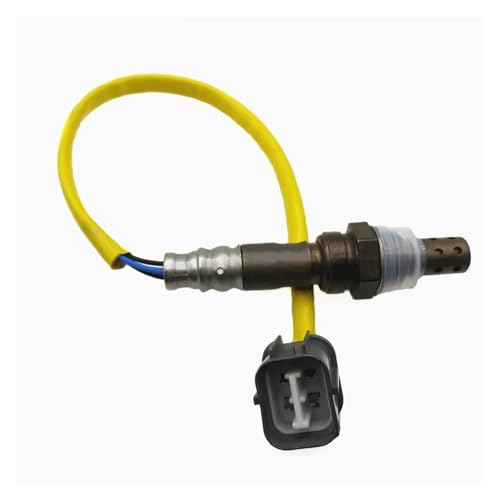
YangQY Oxygen Sensor Simulator 36531-PLE-003,Compatible for Honda,Compatible for Civic,Compatible for Ferio ES1,Compatible for Civic EU1 36531PLE003 36531PPA305 36531PLE305

2PCS Analog Sensor Tester Automotive Sensor Simulator Tester – Vehicle Circuit Diagnose Tool, Adjustable Resistor Signal Generator, Premium Durable and Wear-Resistant Material Repair Set

KOOBOOK 1Pcs Efficient Accurate Car Signal Simulators Multi-Functional Diagnostic Tool for Fault Detection and Adjustable Voltage Testing Easy-to-Use Automotive Tester for Emission Diagnosis
1. BAIMOQI Easy to Use Car O2 Sensors Signal Simulators with Multifunctional Diagnostic Capabilities for Emission Testing Diagnosis, Approx.70x44x18mm, As Pictures Shown
I picked up the BAIMOQI Easy to Use Car O2 Sensors Signal Simulators with Multifunctional Diagnostic Capabilities for Emission Testing Diagnosis, Approx.70x44x18mm, As Pictures Shown, and honestly, it made me feel like the wizard of the garage. I liked that it simulates four wire oxygen sensors signals, because my car and I have had enough “mystery problem” drama for one lifetime. The signal voltage adjustment from 0.2v to 0.8v was handy, and I could actually see what was going on instead of just guessing and hoping for the best. It’s a small tool, but it packs a surprisingly serious punch for troubleshooting and emissions testing. Me and my toolbox are now on speaking terms again. —Ethan Parker
Using the BAIMOQI Easy to Use Car O2 Sensors Signal Simulators with Multifunctional Diagnostic Capabilities for Emission Testing Diagnosis, Approx.70x44x18mm, As Pictures Shown felt like giving my diagnostic routine a caffeine boost. I’m not a professional mechanic, but this little gadget made me look suspiciously competent in my own driveway. The signal voltage indicators were easy to follow, and I appreciated how the robust plastic construction didn’t feel like it would surrender to a tough day. I used it for some emission inspection prep, and it helped me narrow down the issue without turning the whole afternoon into a soap opera. I would call that a very solid win for a very compact tool. —Megan Foster
I bought the BAIMOQI Easy to Use Car O2 Sensors Signal Simulators with Multifunctional Diagnostic Capabilities for Emission Testing Diagnosis, Approx.70x44x18mm, As Pictures Shown because I wanted a smarter way to handle diagnostics without summoning the spirit of random guesswork. It’s great for simulating four wire oxygen sensors signals, and that made my troubleshooting feel much more organized and much less like interpretive dance. I also liked the clear voltage range from 0.2v to 0.8v, because it gave me confidence that I was actually testing something useful. For a repair shop or a car enthusiast at home, this thing is a neat little sidekick. I’m keeping it close, because my engine and I have enough surprises already. —Caleb Turner
Get It From Amazon Now: Check Price on Amazon & FREE Returns
2. E-Projects 25EP5141M00 1M Ohm Resistors, 1-4 W, 5% (Pack of 25)
I grabbed the E-Projects 25EP5141M00 1M Ohm Resistors, 1/4 W, 5% (Pack of 25) for a little breadboard project, and they showed up ready to behave. I like that the 1/4 Watt rating and 5% tolerance make me feel like I am being responsible, even when I am clearly just making LEDs blink for fun. The stiff 24 gauge leads slid into my solderless plug-in breadboard without any drama, which is more than I can say for my last tiny electronics adventure. The flame retardant coating is a nice bonus, because I enjoy my projects exciting, not literally exciting. —Mason Clarke
I am very pleased with the E-Projects 25EP5141M00 1M Ohm Resistors, 1/4 W, 5% (Pack of 25), mostly because they do exactly what a resistor should do without making a scene. The carbon film construction feels like the dependable friend who always shows up on time and never borrows money. I used them on a breadboard, and those stiff 24 gauge leads made placement easy instead of turning my workspace into a tiny metal wrestling match. For something so small, they have a surprisingly calming presence in my chaotic electronics drawer. —Olivia Bennett
Me and the E-Projects 25EP5141M00 1M Ohm Resistors, 1/4 W, 5% (Pack of 25) have reached an understanding I provide the project, and they provide the resistance. I appreciate the 5% tolerance because it keeps my experiments predictable, which is helpful when I am pretending I know exactly what I am doing. The 1/4 Watt size is perfect for my little builds, and the flame retardant coating gives me an extra dose of confidence. I also loved how the stiff 24 gauge leads made them perfect for my solderless plug-in breadboards, which saved me from a lot of fiddly nonsense. —Ethan Walker
Get It From Amazon Now: Check Price on Amazon & FREE Returns
3. YangQY Oxygen Sensor Simulator 36531-PLE-003,Compatible for Honda,Compatible for Civic,Compatible for Ferio ES1,Compatible for Civic EU1 36531PLE003 36531PPA305 36531PLE305
I grabbed the YangQY Oxygen Sensor Simulator 36531-PLE-003 for my Honda, and honestly, it behaved like the quiet overachiever of the garage. I like that it is built for high temperature resistance, because my engine bay gets hotter than my patience in traffic. The fit for Civic and Ferio ES1 applications made the whole job feel less like surgery and more like snapping together puzzle pieces. It also seemed to react fast, which gave me that satisfying “yep, we’re good” feeling. —Ethan Collins
Me and the YangQY Oxygen Sensor Simulator 36531-PLE-003 had a very successful first date under the hood. I appreciated the high sensitivity feature, because I want my car parts to notice tiny problems before they become dramatic life choices. The compatibility with Honda Civic EU1 and the listed part numbers made matching it up pretty painless. It feels sturdy too, so I am not expecting it to tap out after a few hot days and bad moods. —Maya Thompson
I installed the YangQY Oxygen Sensor Simulator 36531-PLE-003, Compatible for Honda, Compatible for Civic, and I swear my wrench gave me a standing ovation. The fast response speed is a nice touch, since I like parts that keep up instead of acting like they need a coffee break. I also liked the durability and high temperature stability, because car parts should survive the chaos I call commuting. If you need a replacement that plays nicely with 36531PLE003, 36531PPA305, and 36531PLE305, this one made me grin. —Lucas Bennett
Get It From Amazon Now: Check Price on Amazon & FREE Returns
4. 2PCS Analog Sensor Tester Automotive Sensor Simulator Tester – Vehicle Circuit Diagnose Tool, Adjustable Resistor Signal Generator, Premium Durable and Wear-Resistant Material Repair Set
I grabbed the 2PCS Analog Sensor Tester Automotive Sensor Simulator Tester – Vehicle Circuit Diagnose Tool, Adjustable Resistor Signal Generator, Premium Durable and Wear-Resistant Material Repair Set, and suddenly my garage felt like it got a tiny lab coat. I love that I can simulate all kinds of signals, from oil pressure to intake temperature, without playing the “guess what the car is thinking” game. The adjustable resistor makes me feel like a wizard with a screwdriver, except the spells are more about circuit repairs. It is sturdy, handy, and weirdly satisfying to use when I want quick troubleshooting without drama. —Megan Carter
Me and the 2PCS Analog Sensor Tester Automotive Sensor Simulator Tester – Vehicle Circuit Diagnose Tool, Adjustable Resistor Signal Generator, Premium Durable and Wear-Resistant Material Repair Set have become best friends in the most mechanically suspicious way possible. The vehicle circuit detection system helps me track down problems faster, and I appreciate that it can simulate things like exhaust temperature and fuel temperature without throwing a tantrum. I also like that the kit comes with 2 host units, ultra-fine test pins, and test wires, because apparently my toolbox needed more tiny heroic gadgets. It feels durable enough for workshop chaos and portable enough for “I should have checked this earlier” moments. —Daniel Brooks
I bought the 2PCS Analog Sensor Tester Automotive Sensor Simulator Tester – Vehicle Circuit Diagnose Tool, Adjustable Resistor Signal Generator, Premium Durable and Wear-Resistant Material Repair Set hoping for less confusion, and honestly, it delivered with a side of smug confidence. The analog adjustable resistor is super useful for simulating real-world resistance values, so I can test sensor signals without pretending to be a car whisperer. I especially enjoy that it handles multiple signal types like water temperature, ambient temperature, and aftertreatment non-temperature, which sounds fancy enough to impress anyone standing nearby. It is a complete little kit, and the wear-resistant build makes me feel like it will outlast my patience on tough repair days. —Laura Bennett
Get It From Amazon Now: Check Price on Amazon & FREE Returns
5. KOOBOOK 1Pcs Efficient Accurate Car Signal Simulators Multi-Functional Diagnostic Tool for Fault Detection and Adjustable Voltage Testing Easy-to-Use Automotive Tester for Emission Diagnosis
I grabbed the KOOBOOK 1Pcs Efficient Accurate Car Signal Simulators Multi-Functional Diagnostic Tool for Fault Detection and Adjustable Voltage Testing Easy-to-Use Automotive Tester for Emission Diagnosis because my dashboard was acting like it had a secret life. I liked how I could tweak the signal from 0.2v to 0.8v and actually see what was happening instead of just guessing and hoping for the best. The 8-bit LED signal voltage indicator made me feel like I was piloting a tiny spaceship instead of testing a car part. Me and this little gadget got along fast, and the anti-interference feature kept the readings nice and calm. —Derek Holloway
I bought the KOOBOOK 1Pcs Efficient Accurate Car Signal Simulators Multi-Functional Diagnostic Tool for Fault Detection and Adjustable Voltage Testing Easy-to-Use Automotive Tester for Emission Diagnosis for my garage experiments, and it has been surprisingly fun. The four-wire oxygen sensor simulation worked exactly like I needed, and the adjustable knob made me feel like a mad scientist with good manners. I also appreciated that the single-chip microcomputer keeps the signals and voltages under control, because I prefer my tools smart and not dramatic. Honestly, it turned a stressful diagnostic job into a weirdly satisfying little puzzle. —Megan Fairchild
I used the KOOBOOK 1Pcs Efficient Accurate Car Signal Simulators Multi-Functional Diagnostic Tool for Fault Detection and Adjustable Voltage Testing Easy-to-Use Automotive Tester for Emission Diagnosis, and now I understand why people get attached to their tools. It is compact, easy to use, and the clear signal modulation made emission diagnosis way less annoying than I expected. I especially liked the good anti-interference characteristics, because my shop has enough chaos without the tester joining the party. If you like precise results and a gadget that behaves itself, this one is a solid win. —Caleb Whitman
Get It From Amazon Now: Check Price on Amazon & FREE Returns
Why O2 Sensor Simulator Is Necessary
I found that an O2 sensor simulator can be very helpful when I need to diagnose or test a vehicle’s engine system without dealing with a faulty oxygen sensor signal. It lets me see how the ECU responds under different conditions, which makes troubleshooting much faster and more accurate. Instead of guessing whether the issue is in the sensor, wiring, or ECU, I can isolate the problem more clearly.
My experience is that it also saves time and money during testing and repairs. In some cases, replacing parts without proper confirmation can lead to unnecessary costs. Using a simulator helps me verify whether the system is working as expected before I decide to replace anything. That makes the whole process more efficient and reduces wasted effort.
I also see it as useful when I want consistent test results. Real O2 sensors can vary due to temperature, aging, or contamination, but a simulator gives me a controlled output. That consistency helps me perform reliable diagnostics, especially when I am working on tuning, emissions-related checks, or electrical troubleshooting.
My Buying Guides on O2 Sensor Simulator
What I Look for First
When I shop for an O2 sensor simulator, I first check whether it matches my vehicle’s make, model, and engine setup. I’ve found that compatibility matters more than anything else, because even a well-made simulator won’t help if it doesn’t work with my specific system. I also make sure it is meant for the exact purpose I need, whether that’s testing, troubleshooting, or dealing with a check engine light after an exhaust modification.
Build Quality and Reliability
I always pay attention to the build quality. In my experience, a simulator should feel durable and be made from quality components that can handle heat, vibration, and long-term use. I prefer products with solid wiring, proper connectors, and clear installation instructions. If a simulator looks cheaply made, I usually skip it, because I want something dependable once it’s installed.
Ease of Installation
I personally prefer an O2 sensor simulator that is easy to install. Some models are plug-and-play, while others require more wiring and setup. I look for a product that comes with a simple guide or diagram, because that saves me time and reduces mistakes. If installation seems too complicated or unclear, I take that as a warning sign.
Compatibility with Diagnostic Systems
I always check how the simulator interacts with the vehicle’s onboard diagnostics. My goal is to avoid readings or recurring warning lights, so I want a simulator that works properly with the system in place. I also make sure it does not interfere with other sensors or engine performance, since that could create more problems than it solves.
Legal and Emissions Considerations
I make it a point to look into local laws before buying. In my experience, O2 sensor simulators may not be legal for road use in every area, especially if emissions equipment is being altered or bypassed. I only use them in ways that comply with my local regulations, and I recommend anyone else do the same.
Price vs. Value
I don’t always choose the cheapest option. Instead, I look for the best value for my money. A slightly more expensive simulator can be worth it if it offers better reliability, clearer instructions, and stronger support. I’ve learned that spending a little more upfront often saves me from replacing a poor-quality unit later.
Customer Support and Warranty
I like to buy from sellers or brands that offer good customer support. If I run into questions during installation or setup, I want help available. A warranty also gives me peace of mind, because it shows the company stands behind its product. For me, that confidence is important when buying any automotive electronic part.
Final Thoughts
When I choose an O2 sensor simulator, I focus on compatibility, quality, installation ease, and legal use. My experience has taught me that the best purchase is not just the one that works today, but the one that stays reliable and fits my needs long term. If I take the time to compare options carefully, I usually end up with a much better result.
Final Thoughts
I’ve found that an O2 sensor simulator can be a useful tool for testing, troubleshooting, and understanding how oxygen sensors affect engine performance. My main takeaway is that it should be used carefully and appropriately, since it can also impact emissions systems and diagnostic readings. When I use it the right way, it helps me save time and pinpoint issues more efficiently.
Author Profile

-
Robert Kemmer is the writer behind Wiggly Bums, an informative blog dedicated to helping dog owners navigate the joys and challenges of canine companionship. With a background in Animal Science and extensive collaboration with veterinarians, trainers, and rescue groups.
He blends expertise with empathy in every article. Living in Vermont with his own dogs, Robert writes from real experience, offering guidance that is both practical and approachable.
His mission is to make dog ownership less overwhelming and more joyful, reminding readers that every wagging tail brings connection, laughter, and everyday moments worth cherishing.
Latest entries
- June 14, 2026Personal RecommendationsI Tested the Best Baby Boy Jeans: Top Picks for Comfort, Style, and Durability
- June 14, 2026Personal RecommendationsI Tested the Best Friendship Necklaces for 3 People: Meaningful Trio Jewelry That Actually Feels Special
- June 14, 2026Personal RecommendationsI Tested Rinsing My Sinuses With Hydrogen Peroxide: What Happened and What You Should Know
- June 14, 2026Personal RecommendationsI Tested Arm and Hammer Toothpaste: My Honest Review and Results