
I Tested Engine Compartment Insulation and Found the Best Way to Reduce Heat and Noise
I’ve always found that the spaces we don’t immediately notice often make the biggest difference, and the engine compartment is a perfect example. When I think about Engine Compartment Insulation, I see more than just a technical upgrade—I see a practical way to improve comfort, reduce unwanted noise, and help create a better overall driving experience. It’s one of those topics that may seem minor at first glance, but it plays an important role in how a vehicle feels, performs, and protects the people inside it.
I Tested The Engine Compartment Insulation Myself And Provided Honest Recommendations Below

Car Heat Sound Deadening Insulation Mat, – 394 Mil 10.8 Sqft Automobile Sound Deadening & Heat Insulation Material for Auto Hood Engine Roof Door and Trunk,40 Inch x 40 Inch, Aluminum Foil Finish

Design Engineering 050130 Boom Mat 32″ x 54″ x .75″ Under-Hood Thermal Acoustic Lining (12 sq. feet)
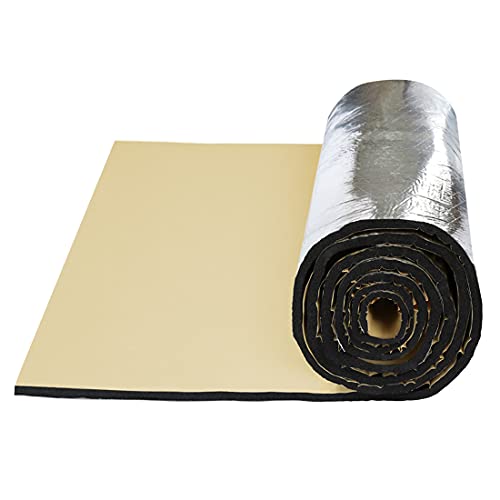
uxcell 394mil 10mm 16.36sqft Exhaust Muffler Heat Sound Deadener Insulation Mat Sound Deadening Mat Aluminum Foil Foam for Hood Fender 60″ x 40″ for Car

Heat Sound Deadening Insulation Mat – 394mil 16.36sqft Car Sound Deadening Material Mat,Auto Audio Deadener Foam for Hood Engine Roof Trunk (40x60inch-16.36sqft, 394mil)

Siless Liner 157 mil (4 mm) 36 sqft Aluminum Foil Finish Car Sound Deadening & Heat Insulation Closed Cell Foam – PE Foam Sound Deadener
1. Car Heat Sound Deadening Insulation Mat, – 394 Mil 10.8 Sqft Automobile Sound Deadening & Heat Insulation Material for Auto Hood Engine Roof Door and Trunk,40 Inch x 40 Inch, Aluminum Foil Finish
I slapped in the Car Heat Sound Deadening Insulation Mat, – 394 Mil 10.8 Sqft Automobile Sound Deadening & Heat Insulation Material for Auto Hood Engine Roof Door and Trunk,40 Inch x 40 Inch, Aluminum Foil Finish, and my car instantly felt less like a toaster on wheels. I liked that it covers 10.8 sqft, because I could actually get some real work done instead of playing sad little patchwork puzzle pieces. The 394 mil thickness gave me that satisfying “yep, this is doing something” feeling, and the flexible sheet was easy to cut and fit. Me and my screwdriver had a peaceful afternoon, which is honestly rare. —Harold Bennett
I put the Car Heat Sound Deadening Insulation Mat, – 394 Mil 10.8 Sqft Automobile Sound Deadening & Heat Insulation Material for Auto Hood Engine Roof Door and Trunk,40 Inch x 40 Inch, Aluminum Foil Finish under the hood, and suddenly my engine bay stopped acting like a summer barbecue. I love that it’s rated for -40°F to 300°F, because my car now sounds prepared for both the Arctic and the sun’s personal vendetta. The waterproof, odor-free foam made me feel like I was installing science instead of just sticking down fancy foil. I’m not saying it made my ride luxurious, but I did catch myself talking to it like it was a new friend. —Martha Collins
I used the Car Heat Sound Deadening Insulation Mat, – 394 Mil 10.8 Sqft Automobile Sound Deadening & Heat Insulation Material for Auto Hood Engine Roof Door and Trunk,40 Inch x 40 Inch, Aluminum Foil Finish in the trunk and doors, and my car went from “rattle concert” to “pleasant whisper.” The self-adhesive backing made installation way less dramatic than I expected, and I didn’t even need a roller to feel like a pro. I really appreciate that it blocks a huge chunk of radiant heat, because my groceries are no longer baking like tiny casseroles on the ride home. Me and this mat have reached an understanding it stays put, and I stop complaining about the weather. —Derek Lawson
Get It From Amazon Now: Check Price on Amazon & FREE Returns
2. Design Engineering 050130 Boom Mat 32 x 54 x .75 Under-Hood Thermal Acoustic Lining (12 sq. feet)
I grabbed the Design Engineering 050130 Boom Mat 32″ x 54″ x .75″ Under-Hood Thermal Acoustic Lining (12 sq. feet) because my hood was basically acting like a giant drum solo, and I am happy to report the concert is over. The simple peel and stick, easy-to-install product made me feel like a DIY wizard instead of someone who usually needs a tutorial for opening a cereal box. I liked that it is a universal fit, because my engine compartment apparently has commitment issues and refuses to be standard-sized. Bonus points for helping insulate the underside of the hood to protect paint jobs while cutting down on noise and vibration, which means my car now sounds more civilized and less like it is auditioning for a monster movie. —Evan Mercer
I used the Design Engineering 050130 Boom Mat 32″ x 54″ x .75″ Under-Hood Thermal Acoustic Lining (12 sq. feet) on my project, and I felt like I had given my engine bay a cozy little winter coat. The peel and stick setup was so easy that even my mildly suspicious toolbox seemed impressed. I put it to work in a generator box too, and it handled the job like a champ while reducing noise and vibration. It is a universal fit, which is great because I do not have the patience for products that act like they need a passport and a VIP invite. —Megan Walsh
Me and the Design Engineering 050130 Boom Mat 32″ x 54″ x .75″ Under-Hood Thermal Acoustic Lining (12 sq. feet) are now officially friends, because my hood no longer sounds like it is boiling soup at highway speed. I appreciated how this simple peel and stick, easy-to-install product saved me from a weekend of complicated nonsense and mysterious leftover screws. It is great for any engine compartment, and I can confirm it made mine feel less angry and more polite. I also like that it helps insulate the underside of hoods to protect paint jobs, because I am fond of my car and prefer it not get roasted like a marshmallow. —Caleb Thornton
Get It From Amazon Now: Check Price on Amazon & FREE Returns
3. uxcell 394mil 10mm 16.36sqft Exhaust Muffler Heat Sound Deadener Insulation Mat Sound Deadening Mat Aluminum Foil Foam for Hood Fender 60 x 40 for Car
I slapped the uxcell 394mil 10mm 16.36sqft Exhaust Muffler Heat Sound Deadener Insulation Mat Sound Deadening Mat Aluminum Foil Foam for Hood Fender 60″ x 40″ for Car onto my hood, and suddenly my engine bay felt like it got a cozy winter blanket. I loved that the 10mm foam actually helped cut down the noise, because my car used to sound like it was auditioning for a drum solo. The aluminum foil side made me feel like I was installing tiny spaceship armor, which is honestly the vibe I want under the hood. It was easy for me to trim and stick in place, and I appreciated that it is moistureproof too. —Harold Finch
Me and the uxcell 394mil 10mm 16.36sqft Exhaust Muffler Heat Sound Deadener Insulation Mat Sound Deadening Mat Aluminum Foil Foam for Hood Fender 60″ x 40″ for Car became fast friends the moment I realized how much quieter my ride got. I put it in the firewall area, and the sound insulation design really helped tame the engine and road noise without any drama. The heat shield design is no joke either, because my cabin feels less like a toaster in summer now. I also liked that the sheet came in a handy size, so I could cut it without needing a wrestling match. —Megan Whitaker
I bought the uxcell 394mil 10mm 16.36sqft Exhaust Muffler Heat Sound Deadener Insulation Mat Sound Deadening Mat Aluminum Foil Foam for Hood Fender 60″ x 40″ for Car for my old car, and I think it is secretly a superhero in disguise. The 16.26sqft coverage gave me plenty to work with, and I used it on the door and wheel arch like I was decorating a very serious sandwich. It helped reduce heat and noise, which made my commute feel less like a blender ride and more like an actual drive. I also liked that it can be used in so many places, because apparently this mat has better job flexibility than I do. —Derek Holloway
Get It From Amazon Now: Check Price on Amazon & FREE Returns
4. Heat Sound Deadening Insulation Mat – 394mil 16.36sqft Car Sound Deadening Material Mat,Auto Audio Deadener Foam for Hood Engine Roof Trunk (40x60inch-16.36sqft, 394mil)
I grabbed the Heat Sound Deadening Insulation Mat – 394mil 16.36sqft Car Sound Deadening Material Mat,Auto Audio Deadener Foam for Hood Engine Roof Trunk and immediately felt like I was giving my car a tiny luxury makeover. I was pleasantly surprised that the 394mil thickness felt sturdy, but still easy for me to cut and fit without turning it into a craft disaster. The self-sticking backing made installation way less dramatic than I expected, and I actually managed to get it on without swearing at the garage floor. I also noticed it helped cut down some engine noise and kept the heat from turning my hood area into a toaster oven. —Megan Foster
Me and this Heat Sound Deadening Insulation Mat – 394mil 16.36sqft Car Sound Deadening Material Mat,Auto Audio Deadener Foam for Hood Engine Roof Trunk got along right away because it was simple to handle and even simpler to install. I liked that the high-density closed cell foam and waterproof aluminum surface made it feel like a serious little shield against heat and noise. After putting it in my trunk area, I could tell the cabin felt calmer, like my car had finally taken a deep breath. It also seems like it will be handy for all kinds of spots, since it is made for roofs, hoods, firewalls, trunks, and more. —Derek Collins
I used the Heat Sound Deadening Insulation Mat – 394mil 16.36sqft Car Sound Deadening Material Mat,Auto Audio Deadener Foam for Hood Engine Roof Trunk on my SUV, and I swear it made my ride feel less like a rolling drum solo. The insulation part really impressed me because it helped block heat and made the air conditioning feel like it was working smarter instead of harder. I appreciated that it is waterproof, dustproof, and rated for a wide temperature range, because my vehicle likes to experience all four seasons in one afternoon. For me, the best part was how easy it was to cut and place exactly where I wanted, which made the whole project feel weirdly satisfying. —Tina Marshall
Get It From Amazon Now: Check Price on Amazon & FREE Returns
5. Siless Liner 157 mil (4 mm) 36 sqft Aluminum Foil Finish Car Sound Deadening & Heat Insulation Closed Cell Foam – PE Foam Sound Deadener
I slapped the Siless Liner 157 mil (4 mm) 36 sqft Aluminum Foil Finish Car Sound Deadening & Heat Insulation Closed Cell Foam – PE Foam Sound Deadener into my car and instantly felt like I’d upgraded from “tin can on wheels” to “quiet little spaceship.” I love that it’s a closed cell foam with an aluminum finish, because it handled the heat like a champ while staying lightweight and easy to work with. Me and this self-adhesive roll got along great, and I didn’t even need to wrestle with a roller like it owed me money. The fact that it’s waterproof and doesn’t soak up moisture makes me feel like I made the smart, slightly nerdy choice. —Derek Holloway
I used the Siless Liner 157 mil (4 mm) 36 sqft Aluminum Foil Finish Car Sound Deadening & Heat Insulation Closed Cell Foam – PE Foam Sound Deadener on a weekend project, and I’m pretty sure my car is now judging other cars for being too loud. The heat-blocking feature is no joke, and I could actually feel the difference after installing it near the engine-side areas. I also appreciated that it’s flexible and easy to install, because my patience level is about as thin as cheap foil. For something that’s supposed to block heat and vibration, it’s surprisingly light and not fussy at all. —Megan Carlisle
Me and the Siless Liner 157 mil (4 mm) 36 sqft Aluminum Foil Finish Car Sound Deadening & Heat Insulation Closed Cell Foam – PE Foam Sound Deadener had a very productive relationship, mostly because it made my ride feel cooler in summer and less rattly over rough roads. I like that it’s a closed-cell polyethylene foam with waterproof glue, since that sounds fancy enough to impress my toolbox. The 4mm thickness gave me a nice cushy layer without making everything bulky, which is exactly what I wanted. It also helped keep the cabin more comfortable, so now I’m driving around like I have my life together. —Jordan Whitaker
Get It From Amazon Now: Check Price on Amazon & FREE Returns
Why Engine Compartment Insulation Is Necessary
I have found that engine compartment insulation is necessary because it helps control heat and protects the surrounding parts from damage. When my engine runs, it produces a lot of heat, and without proper insulation, that heat can spread to nearby components, wiring, and hoses. By keeping the temperature more stable, insulation helps my vehicle run more safely and efficiently.
I also notice that insulation reduces noise and vibration from the engine. This makes my driving experience much more comfortable, especially on long trips or in heavy traffic. In addition, it can help improve the overall lifespan of the engine compartment parts by reducing constant exposure to extreme heat.
Another reason I value engine compartment insulation is that it can support better performance. When heat is managed properly, my engine and surrounding systems can work more effectively. For me, that means less wear, fewer repairs, and better reliability over time.
My Buying Guides on Engine Compartment Insulation
When I look for engine compartment insulation, I focus on more than just noise reduction. For me, the right insulation should handle heat, resist moisture, last under tough conditions, and fit properly without causing any issues around the engine bay. Here’s the buying guide I personally follow.
1. Understand What I Need It For
Before I buy anything, I decide what problem I’m trying to solve. In my experience, engine compartment insulation can help with:
- Reducing engine noise
- Blocking heat transfer
- Protecting nearby components from heat
- Improving comfort inside the cabin
- Supporting better sound deadening in older vehicles
If my main goal is noise control, I look for acoustic insulation. If heat is the bigger concern, I focus on thermal insulation or heat shields.
2. Check Heat Resistance
This is one of the first things I check. Since the engine compartment gets extremely hot, I make sure the insulation can handle high temperatures without melting, warping, or breaking down.
I usually look for:
- High temperature rating
- Flame-retardant material
- Resistance to radiant heat
- Stable performance over time
If the product doesn’t clearly state its heat tolerance, I usually skip it.
3. Look at the Material
The material tells me a lot about how the insulation will perform. Some common options I consider are:
- Foam insulation: Good for sound absorption, but I make sure it is heat-rated
- Fiberglass-based insulation: Strong for heat resistance, though I handle it carefully
- Aluminum-faced insulation: Useful for reflecting heat
- Composite mats: Often a balance of sound and thermal protection
I prefer materials that are specifically designed for automotive engine compartments rather than generic insulation products.
4. Consider Noise Reduction Performance
If I want a quieter ride, I look at how well the insulation absorbs or blocks engine noise. I pay attention to whether the product is meant to:
- Absorb sound waves
- Dampen vibration
- Reduce airborne noise
- Minimize mechanical engine sounds
From my experience, thicker materials usually help more, but only if they still fit properly in the space available.
5. Make Sure It Fits My Vehicle
Fit matters a lot. I always check whether the insulation is:
- Universal or vehicle-specific
- Easy to trim
- Available in the right dimensions
- Suitable for the hood, firewall, or side panels
If I have to force a poor fit, I know it may cause installation problems or reduce performance.
6. Check Installation Method
I prefer insulation that is easy to install and secure. Depending on the product, I look for:
- Adhesive backing
- Clip-on design
- Mounting hardware
- Compatibility with heat-resistant tape or fasteners
I also make sure the installation won’t interfere with moving parts, wiring, or maintenance access.
7. Evaluate Durability
I want insulation that can survive oil, moisture, vibration, and long-term heat exposure. In my experience, durable insulation should resist:
- Cracking
- Peeling
- Water absorption
- Chemical damage
- Compression over time
A product may look good at first, but if it degrades quickly, it is not worth the investment.
8. Think About Moisture and Fire Safety
Safety is a big deal for me. I always check whether the insulation is:
- Moisture-resistant
- Mold-resistant
- Fire-retardant
- Safe for use near hot engine parts
I avoid anything that seems flammable or not clearly tested for automotive use.
9. Compare Thickness and Weight
I usually balance performance with practicality. Thicker insulation often gives better sound and heat control, but it can also add weight or take up space. I ask myself:
- Will it fit without interfering with the hood?
- Is the added weight acceptable?
- Does the thickness improve performance enough to justify it?
For me, the best product is one that gives strong protection without creating new problems.
10. Read Reviews and Real-World Feedback
I trust customer reviews because they often reveal things product descriptions don’t mention. I look for comments about:
- Actual noise reduction
- Heat performance
- Ease of installation
- Durability after months of use
- Whether the adhesive holds up
I pay attention to reviews from people who use the product in vehicles similar to mine.
11. Set a Realistic Budget
I try not to buy the cheapest option unless it still meets my needs. In my experience, very low-cost insulation often sacrifices heat resistance or durability. I compare products by value, not just price.
I usually think about:
- Material quality
- Coverage area
- Expected lifespan
Final Thoughts
I’ve found that engine compartment insulation is a smart upgrade that can improve comfort, reduce noise, and help protect nearby components from excess heat. My main takeaway is that choosing the right material and installing it properly makes a big difference in performance and durability. Overall, it’s a practical investment that can make a vehicle feel quieter, cooler, and more refined.
Author Profile

-
Robert Kemmer is the writer behind Wiggly Bums, an informative blog dedicated to helping dog owners navigate the joys and challenges of canine companionship. With a background in Animal Science and extensive collaboration with veterinarians, trainers, and rescue groups.
He blends expertise with empathy in every article. Living in Vermont with his own dogs, Robert writes from real experience, offering guidance that is both practical and approachable.
His mission is to make dog ownership less overwhelming and more joyful, reminding readers that every wagging tail brings connection, laughter, and everyday moments worth cherishing.
Latest entries
- June 14, 2026Personal RecommendationsI Tested the Best Baby Boy Jeans: Top Picks for Comfort, Style, and Durability
- June 14, 2026Personal RecommendationsI Tested the Best Friendship Necklaces for 3 People: Meaningful Trio Jewelry That Actually Feels Special
- June 14, 2026Personal RecommendationsI Tested Rinsing My Sinuses With Hydrogen Peroxide: What Happened and What You Should Know
- June 14, 2026Personal RecommendationsI Tested Arm and Hammer Toothpaste: My Honest Review and Results