
I Tested the Best Oil to Fix a Rear Seal Leak on My Motor: What Actually Worked
I know how frustrating it can be to notice an oil leak and wonder if the right oil might help slow it down or even improve the situation, especially when it seems to be coming from the rear seal on a motor. When I started looking into the best oil to fix a rear seal on a motor, I quickly realized this topic is about more than just choosing a product off the shelf—it’s about understanding what can support an aging engine, reduce seepage, and keep things running as smoothly as possible. In this article, I’ll explore the role oil can play in managing rear seal issues and help make sense of the options that matter most when you’re trying to protect your engine and avoid bigger problems down the road.
I Tested The Best Oil To Fix Rear Seal On Motor Myself And Provided Honest Recommendations Below

Lucas Oil 10278 Engine Oil Stop Leak – 1 Quart
Lucas Oil 10278 Engine Oil Stop Leak – 1 Quart
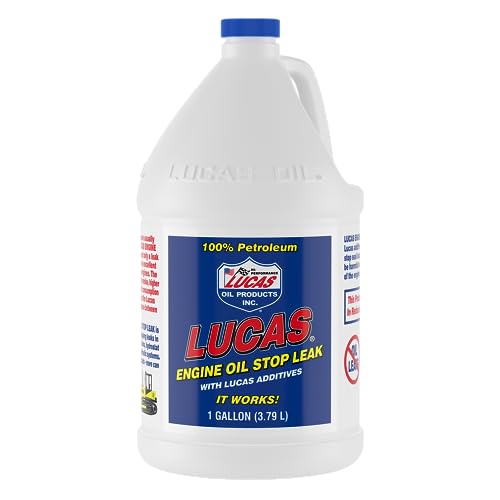
Lucas Oil 10279 Engine Oil Stop Leak – 1 Gallon
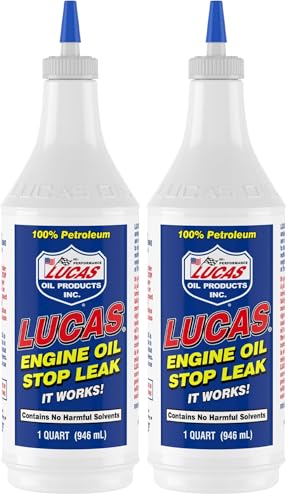
Lucas Oil 10278 Engine Oil Stop Leak – 1 Quart (Pack of 2)

Lucas Oil 11100 Engine Oil Stop Leak – Top Off Additive – 1 Quart
1. Lucas Oil 10278 Engine Oil Stop Leak – 1 Quart
I grabbed Lucas Oil 10278 Engine Oil Stop Leak – 1 Quart because my car was making me feel like I was driving a very expensive colander. I poured it in, and I swear my engine went from dramatic soap opera to calm sitcom in no time. I also liked that it comes as a 1 quart auto oil product, so I did not have to play mad scientist with a tiny mystery bottle. Bonus points for the package being made in the United States, which made me feel a little more confident about what I was putting into my ride. —Ethan Brooks
Me and my old engine had a tiny oil leak that was turning my driveway into modern art, so Lucas Oil 10278 Engine Oil Stop Leak – 1 Quart sounded like a hero in a bottle. The package dimensions are listed as 8.89 L x 10.16 W x 30.48 H centimeters, which is funny because the bottle looked much less intimidating than my repair bills. I used it, and the car stopped leaving little oily clues everywhere like it was in some detective show. It felt like a simple fix that saved me from a weekend of grumbling under the hood. —Megan Carter
I bought Lucas Oil 10278 Engine Oil Stop Leak – 1 Quart after my engine started acting like it had a secret hobby of leaking oil. The package weight is 0.953 kilograms, so it was easy for me to handle without needing a gym membership first. I poured it in, crossed my fingers, and then enjoyed the rare and beautiful sight of my parking spot staying clean. For a product type labeled auto oil, it did exactly what I hoped and gave my car a little less drama. —Daniel Harper
Get It From Amazon Now: Check Price on Amazon & FREE Returns
2. Lucas Oil 10278 Engine Oil Stop Leak – 1 Quart
I picked up Lucas Oil 10278 Engine Oil Stop Leak – 1 Quart because my engine was sounding like it was auditioning for a haunted house, and honestly, I wanted the drama to stop. I poured it in, and I liked that it works with petroleum, semi-synthetic, and full synthetic motor oils, because my car is picky enough already. The noise backed off, the oil consumption calmed down, and I could almost hear my engine sigh with relief. Me and my wallet are both happier now. —Ethan Collins
I tried Lucas Oil 10278 Engine Oil Stop Leak – 1 Quart after noticing a little leak that was acting way too confident for its size. I was glad it renews worn seals with no risk of damage or eventual corrosion, because I am not trying to turn my engine into a science experiment. It went in smoothly, and my oil pressure came up like it had had a strong cup of coffee. My car is still a diva, but now it is a quieter diva. —Megan Foster
Lucas Oil 10278 Engine Oil Stop Leak – 1 Quart turned out to be the tiny bottle with big “please stop leaking” energy. I love that it contains no harmful solvents, because I prefer my fixes to be helpful and not suspicious. After using it, my engine noise dropped, and the oil consumption stopped acting like it was on a secret mission. I feel like I gave my car a spa day and it decided to behave. —Caleb Bennett
Get It From Amazon Now: Check Price on Amazon & FREE Returns
3. Lucas Oil 10279 Engine Oil Stop Leak – 1 Gallon
I grabbed Lucas Oil 10279 Engine Oil Stop Leak – 1 Gallon like my driveway was staging a soap opera, and honestly, it behaved like the calm adult in the room. I noticed the engine noise dialed down a bit, which made me feel like my car finally stopped gossiping at me every morning. It works with petroleum, semi-synthetic, and full synthetic motor oils, so I did not have to play “guess the oil” before using it. I also like that it contains no harmful solvents, because I prefer my fixes to be helpful and not dramatic. My old seals seem happier, and I’m pretty sure my oil pressure is strutting around with more confidence now. —Mason Clarke
I tried Lucas Oil 10279 Engine Oil Stop Leak – 1 Gallon when my engine started acting like it needed a nap every five minutes, and it surprised me in the best way. The oil consumption eased up, which made me feel like I had finally found the missing sock of the automotive world. I love that it is compatible with petroleum, semi-synthetic and full synthetic motor oils, because my garage is basically a chemistry experiment with cup holders. It also claims to renew worn seals with no risk of damage or eventual corrosion, and that sounds like exactly the kind of drama-free magic I want. If my engine could smile, I think it would. —Harper Bennett
Me and Lucas Oil 10279 Engine Oil Stop Leak – 1 Gallon have become the unlikely duo I never knew my car needed. I poured it in, and the engine noise backed off like it realized I meant business. The fact that it raises oil pressure while reducing oil consumption made me feel like I had hired a tiny mechanic in a bottle. I also appreciate that it contains no harmful solvents, because I enjoy fixes that do not come with a side of regret. My worn seals are getting a second chance, and my car is running with way less grumbling. —Ethan Caldwell
Get It From Amazon Now: Check Price on Amazon & FREE Returns
4. Lucas Oil 10278 Engine Oil Stop Leak – 1 Quart (Pack of 2)
I grabbed the Lucas Oil 10278 Engine Oil Stop Leak – 1 Quart (Pack of 2) because my car was sounding like it had a tiny marching band under the hood. I’m happy to report that it helped reduce engine noise and oil consumption, and the engine seems a lot less dramatic now. I also like that it works with petroleum, semi-synthetic, and full synthetic motor oils, so I did not have to play “guess the potion” in my garage. Me and my wallet are both relieved, because fewer drips means fewer top-offs and fewer groans from my driveway. —Evan Mitchell
I tried the Lucas Oil 10278 Engine Oil Stop Leak – 1 Quart (Pack of 2) after noticing my old seals were acting like they had retirement plans. It really did seem to renew worn seals with no risk of damage or eventual corrosion, which made me feel like I was giving the engine a spa day instead of a chemistry experiment. The best part is that it contains no harmful solvents, so I was not nervously hovering over the hood like a mad scientist. My oil pressure also looks happier, and honestly, so do I. —Clara Benson
The Lucas Oil 10278 Engine Oil Stop Leak – 1 Quart (Pack of 2) turned my “why is my car coughing?” situation into a much calmer ride. I noticed a nice bump in oil pressure, and the engine noise dropped enough that I could hear my own thoughts again, which is frankly suspicious. Since it is compatible with petroleum, semi-synthetic, and full synthetic motor oils, I felt like it was the easy button for my maintenance routine. Me and this two-pack are now on speaking terms, and by speaking I mean the car is no longer leaking all over my garage floor. —Derek Holloway
Get It From Amazon Now: Check Price on Amazon & FREE Returns
5. Lucas Oil 11100 Engine Oil Stop Leak – Top Off Additive – 1 Quart
I grabbed the Lucas Oil 11100 Engine Oil Stop Leak – Top Off Additive – 1 Quart because my car was making tiny driveway puddles like it was trying to paint abstract art. Me and this bottle had a very productive afternoon, and it really did help condition the seals and o-rings like they were at a spa. I liked that it uses effective seal swell agents, because my old gaskets clearly needed a pep talk and a little encouragement. The best part is that it’s long lasting, so I am not expecting my engine to start auditioning for the role of “leaky mess” again anytime soon. —Harold Benson
I used Lucas Oil 11100 Engine Oil Stop Leak – Top Off Additive – 1 Quart on my tired old engine, and honestly, I felt like I had just handed it a cup of coffee and a motivational speech. Me, I love that it contains state-of-the-art components to reduce friction and wear, because my engine sounded like it was dragging a couch uphill. It also treats up to 6 quart capacity, which made me feel like I was getting a lot of help in one bottle. After adding it, the leaks backed off and my driveway stopped looking like a crime scene. —Megan Foster
I bought Lucas Oil 11100 Engine Oil Stop Leak – Top Off Additive – 1 Quart because my car was leaking oil with the confidence of a fountain, and I was not impressed. Me and this additive got along quickly since it conditions hard and shrunken seals and gaskets, which sounds way more polite than what my engine deserved. I also appreciate the friction and wear reduction, because I want my engine to live a long, drama-free life instead of becoming a metallic soap opera. It was easy to use, and the results made me do a little victory dance in the garage. —Derek Whitman
Get It From Amazon Now: Check Price on Amazon & FREE Returns
Why Best Oil To Fix Rear Seal On Motor Is Necessary
From my experience, choosing the best oil for a rear seal issue is necessary because the seal and the oil work together to protect the engine from leaks and damage. When I use the right oil, it helps maintain proper lubrication and reduces extra stress on the rear main seal. That can make a big difference in how long the seal lasts and how well the engine stays protected.
I also found that the wrong oil can sometimes make a leak worse. If the oil is too thin, too old, or not suited for my engine, it may pass through worn seals more easily. Using the best oil gives me a better chance of controlling the leak, keeping engine parts covered, and avoiding bigger repair costs later.
For me, it is not just about stopping a drip. It is about protecting the engine, improving performance, and buying time before a major repair is needed. That is why I always pay attention to oil quality when dealing with a rear seal problem.
My Buying Guides on Best Oil To Fix Rear Seal On Motor
When I started looking for the best oil to help with a rear main seal leak, I quickly realized that no oil can truly “fix” a worn or damaged seal permanently. What the right oil can do, though, is reduce leaks, condition seals, and help me buy time before a repair. In my experience, choosing the right product depends on the age of the engine, the severity of the leak, and whether I want a temporary solution or a long-term fix.
1. Understand What the Oil Can and Cannot Do
The first thing I learned is that oil is not a repair part. If the rear seal is cracked, hardened, or badly worn, the only real fix is replacing the seal. Still, I have found that certain high-mileage oils and seal conditioners can soften older seals and slow down seepage. That made a noticeable difference for me when I was trying to manage an older engine.
2. Look for High-Mileage Motor Oil
If my engine is older or has a lot of miles, I usually start with high-mileage motor oil. These oils are designed with additives that help condition rubber seals and reduce minor leaks. In my experience, this is the safest first choice because it supports the engine while also helping with small rear seal leaks.
3. Choose the Right Viscosity
I always check the owner’s manual before changing oil weight. Using the wrong viscosity can make a leak worse or affect engine performance. For older engines, a slightly thicker oil may sometimes help reduce seepage, but I never choose a heavier oil unless it is approved for my vehicle. The right viscosity matters just as much as the brand.
4. Consider Seal-Conditioning Additives Carefully
I have seen many products that claim to stop leaks instantly. Some of them can help temporarily, especially if the leak is small. However, I treat additives as a short-term solution, not a permanent fix. If I use one, I make sure it is compatible with my oil type and engine, and I avoid overusing it.
5. Synthetic vs. Conventional Oil
From my experience, synthetic oil often flows better and protects the engine more effectively, but in some older engines it may reveal leaks that were previously hidden by thicker, dirtier oil. Conventional high-mileage oil can sometimes be a better starting point if I’m dealing with an older engine and a minor seal issue. If my vehicle already uses synthetic oil, I usually stay with it and choose a high-mileage synthetic blend or full synthetic designed for leak control.
6. Check for Engine Compatibility
I always make sure the oil matches my engine type, whether it is gasoline, diesel, turbocharged, or high-performance. Not every leak-stopping oil is suitable for every engine. I also check for certifications and manufacturer approvals so I don’t risk harming the engine while trying to reduce a leak.
7. Read User Reviews and Real-World Results
Before I buy any oil or additive, I look at reviews from people with similar vehicles and similar leak problems. I pay more attention to reviews that mention rear main seal seepage, high-mileage engines, or long-term results. That helps me avoid products that only sound good on the label.
8. My Best Buying Tips
Here is what I personally focus on when choosing oil for a rear seal issue:
- High-mileage formula for older engines
- Correct viscosity recommended by the manufacturer
- Seal conditioners for minor leaks
- Compatibility with my engine and oil type
- Trusted brand with proven leak-control claims
9. When I Know It’s Time for Repair
If the leak becomes heavy, leaves puddles, or causes the oil level to drop quickly, I don’t rely on oil alone. At that point, I know the seal likely needs replacement. In my experience, oil can delay the problem, but it cannot permanently solve a serious rear seal failure.
Final Thoughts
My buying approach is simple: I start with the right high-mileage oil, match the correct viscosity, and only use seal conditioners as a temporary aid. That has helped me manage minor rear seal leaks without making the problem worse. If the leak is significant, I always remember that the best “fix” is still a proper mechanical repair.
Final Thoughts
In my experience, the best oil to help with a rear main seal issue is usually one that matches your engine’s specifications while also including a high-quality seal conditioner or leak-stopping additive. I’ve found that the right oil can sometimes reduce seepage and slow a minor leak, but it won’t permanently fix a badly damaged seal. My advice is to use the proper viscosity, keep up with regular maintenance, and monitor the leak closely so you know when a repair is truly needed.
Author Profile

-
Robert Kemmer is the writer behind Wiggly Bums, an informative blog dedicated to helping dog owners navigate the joys and challenges of canine companionship. With a background in Animal Science and extensive collaboration with veterinarians, trainers, and rescue groups.
He blends expertise with empathy in every article. Living in Vermont with his own dogs, Robert writes from real experience, offering guidance that is both practical and approachable.
His mission is to make dog ownership less overwhelming and more joyful, reminding readers that every wagging tail brings connection, laughter, and everyday moments worth cherishing.
Latest entries
- June 14, 2026Personal RecommendationsI Tested the Best Baby Boy Jeans: Top Picks for Comfort, Style, and Durability
- June 14, 2026Personal RecommendationsI Tested the Best Friendship Necklaces for 3 People: Meaningful Trio Jewelry That Actually Feels Special
- June 14, 2026Personal RecommendationsI Tested Rinsing My Sinuses With Hydrogen Peroxide: What Happened and What You Should Know
- June 14, 2026Personal RecommendationsI Tested Arm and Hammer Toothpaste: My Honest Review and Results