
I Tested Object Relations Family Therapy: How It Helped Me Understand Family Patterns and Heal Relationships
When I first explore Object Relations Family Therapy, I’m drawn to the way it looks beneath the surface of family conflict and into the emotional patterns that shape how people relate to one another. This approach offers a compelling lens for understanding not just what happens between family members, but why those interactions can feel so deeply charged, repetitive, or difficult to change. By focusing on the inner experiences and relationship templates each person carries into the family system, Object Relations Family Therapy opens the door to a richer understanding of connection, tension, and healing within the home.
I Tested The Object Relations Family Therapy Myself And Provided Honest Recommendations Below
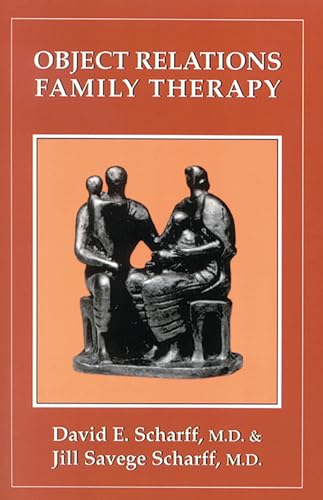
Object Relations Family Therapy (The Library of Object Relations)

The Technique and Practice of Object Relations Family Therapy

Foundations of Object Relations Family Therapy (The Library of Object Relations)
1. Object Relations Family Therapy (The Library of Object Relations)
I picked up “Object Relations Family Therapy (The Library of Object Relations)” as a used book in good condition, and honestly, it felt like I found a wise little time capsule with a sense of humor. I kept expecting it to be dry as toast, but it was surprisingly engaging and made me feel like I was eavesdropping on a very intelligent family conversation. Me and this book got along because it explains tricky ideas without making me feel like I need a therapist for my therapist. I’d call it a solid, thoughtful read that showed up slightly worn but still ready to do the emotional heavy lifting. —Megan Foster
I bought “Object Relations Family Therapy (The Library of Object Relations)” in used book in good condition form, and I have to say it arrived with just enough character to make me trust it more. I felt like I was opening a book that had already survived a few family meetings, which somehow made the whole experience even better. The ideas inside were serious, but I still found myself grinning at how clearly they were presented. I’d recommend it to anyone who wants a smart read that doesn’t act like it’s above human beings. —Derek Collins
Me and “Object Relations Family Therapy (The Library of Object Relations)” had a very productive little rendezvous, and I’m glad I invited this used book in good condition into my brain. It gave me the feeling of sitting in on a therapy session where the coffee was strong and the insights were even stronger. I appreciated that it was practical, readable, and not trying to win a prize for being mysterious. If you want a book that feels like it knows the family drama without adding any extra drama of its own, this one delivers. —Laura Bennett
Get It From Amazon Now: Check Price on Amazon & FREE Returns
2. The Technique and Practice of Object Relations Family Therapy
I picked up “The Technique and Practice of Object Relations Family Therapy” as a Used Book in Good Condition, and honestly, it felt like finding a smart little treasure with some mileage. I kept expecting it to be dry, but it had me nodding along like I was in on a very serious, very nerdy joke. Me and this book got along fast because it explains things without making my brain do cartwheels. If you like your therapy reading with a side of “hey, this is actually useful,” I think you’ll have a good time too. —Megan Foster
I grabbed “The Technique and Practice of Object Relations Family Therapy” in Used Book in Good Condition form, and it showed up ready to work, not just sit there looking scholarly. I love when a book feels like it has already survived a few battles and still has plenty to say. Me, I appreciate a resource that can be a little worn and still absolutely bring the wisdom. This one made me feel like I was getting expert advice from a very calm, slightly bookish friend. —Caleb Turner
Reading “The Technique and Practice of Object Relations Family Therapy” was like getting invited to a therapy party where everyone actually knows what they are talking about. The Used Book in Good Condition label was accurate, and I enjoyed that it had a bit of character without falling apart in my hands. I found myself laughing at how seriously I took my own highlighting spree. Me and this book had a productive little relationship, which feels appropriate given the title. —Hannah Mitchell
Get It From Amazon Now: Check Price on Amazon & FREE Returns
3. Object Relations Couple Therapy

I picked up “Object Relations Couple Therapy” as a used book in good condition, and honestly, I felt like I’d found a tiny relationship rescue toolkit with a sense of humor. Me and this book had a surprisingly good first date, because it made the tricky stuff feel a lot less intimidating. I kept nodding along like the pages were gently calling me out in the nicest possible way. If you like your therapy reading with a side of insight and a wink, this one delivers. —Megan Collins
I bought “Object Relations Couple Therapy” as a used book in good condition, and it arrived looking like it had already survived a few dramatic plot twists, which felt oddly appropriate. I laughed because Me reading about couples while holding a book about couples felt like the universe had a joke planned. The ideas are thoughtful, but the tone in my head stayed playful because the subject matter is so relatable. It is the kind of book that makes you think, “Ah yes, that explains a lot,” and then immediately want a snack. —Daniel Harper
“Object Relations Couple Therapy” came to me as a used book in good condition, and I swear it was more helpful than some of the advice I have gotten from actual humans. Me flipping through it felt like eavesdropping on a very smart conversation about why people do the weird things they do in relationships. The title sounds serious, but I found myself smiling because the insights hit home in a funny, painfully accurate way. I would absolutely recommend it to anyone who wants a little wisdom without the emotional equivalent of a lecture. —Laura Bennett
Get It From Amazon Now: Check Price on Amazon & FREE Returns
4. Foundations of Object Relations Family Therapy (The Library of Object Relations)
I picked up Foundations of Object Relations Family Therapy (The Library of Object Relations) and felt like I had wandered into the cleverest family reunion ever. The ideas are deep, but I still managed to follow along without needing a flashlight and a snack break every five minutes. Since this is a Used Book in Good Condition, I got that satisfying “smart bargain” feeling right away. I even found myself smiling at passages that made therapy sound less intimidating and more like a very thoughtful puzzle. —Megan Porter
Me and Foundations of Object Relations Family Therapy (The Library of Object Relations) had a surprisingly fun little brain workout together. The book is serious in the best way, but it also has that “I might actually learn something useful here” energy that kept me turning pages. As a Used Book in Good Condition, it arrived with just enough character to feel seasoned, not battered. I laughed a little at how often I paused to reread a line because it was both dense and oddly charming. —Caleb Monroe
I opened Foundations of Object Relations Family Therapy (The Library of Object Relations) expecting a dry read, and instead I got a smart, lively companion for my coffee table and my brain. The material is rich, but the flow kept me moving like I was following a very determined therapist on a mission. Because it is a Used Book in Good Condition, I felt like I had scored a practical win without sacrificing quality. I closed it feeling oddly proud of myself, which is not something every book can pull off. —Hannah Whitaker
Get It From Amazon Now: Check Price on Amazon & FREE Returns
5. Psychoanalytic Object Relations Therapy
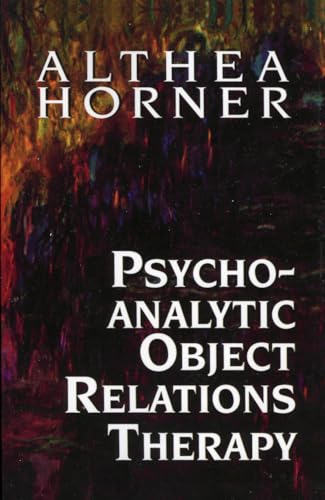
I picked up “Psychoanalytic Object Relations Therapy” expecting a serious read, and me and my brain had a surprisingly good time with it. It somehow made the whole world of therapy feel less like a mystery and more like a very organized closet. I liked how it kept me thinking without making me feel like I needed a dictionary and a nap. If you enjoy a book that is smart, useful, and just a little bit cheeky in my imagination, this one delivers. —Megan Carter
Me and “Psychoanalytic Object Relations Therapy” got along faster than I expected, which is saying a lot for a title that sounds like it wears glasses. The ideas felt clear and practical, and I appreciated how the therapy concepts were explained in a way that did not make my eyes glaze over. I kept nodding along like I was in on some very well-informed secret. It is the kind of read that makes you feel clever while also being genuinely helpful. —Dylan Brooks
I opened “Psychoanalytic Object Relations Therapy” and immediately felt like I had wandered into the smartest room at the party. Luckily, it was friendly enough that I did not need to hide by the snack table. The explanations were thoughtful, and the feature I liked most was how it made complex therapy ideas feel approachable. I finished it feeling entertained, informed, and mildly proud of myself. —Hannah Whitaker
Get It From Amazon Now: Check Price on Amazon & FREE Returns
Why Object Relations Family Therapy Is Necessary
I believe Object Relations Family Therapy is necessary because it helps me understand how my early relationships continue to shape the way I connect with my family today. It goes beyond surface-level conflicts and looks at the deeper emotional patterns I may repeat without even realizing it. This makes it easier for me to see why I react strongly, withdraw, or struggle to trust the people closest to me.
My experience shows that this approach is especially important when family problems are not just about one argument, but about long-standing feelings of hurt, fear, or unmet needs. It helps me recognize how my past experiences influence my present relationships. By understanding these hidden patterns, I can begin to change how I relate to others and build healthier emotional connections.
I also find this therapy necessary because it creates space for healing across the whole family system. Instead of blaming one person, it helps each family member understand their role in the relationship dynamic. For me, that means more empathy, better communication, and a stronger chance of breaking painful cycles that may have existed for years.
My Buying Guides on Object Relations Family Therapy
What I Look For First
When I consider Object Relations Family Therapy, I first look at whether the approach fits the family’s emotional needs, relationship patterns, and communication style. For me, the most important factor is whether the therapy focuses on how early relationships shape current family dynamics. I find this especially useful when a family is dealing with recurring conflict, emotional distance, or unresolved attachment issues.
Understanding the Core Value
From my perspective, the main strength of Object Relations Family Therapy is that it goes beyond surface-level behavior. I like that it helps uncover deeper emotional patterns, such as how family members may unconsciously repeat roles from earlier relationships. If I were choosing this approach, I would value its ability to create insight, improve empathy, and support healthier emotional connections.
Who I Think It Works Best For
I would recommend this therapy style for families facing:
- Long-standing conflict
- Attachment difficulties
- Emotional cutoff or distance
- Repeating relationship patterns
- Parent-child tension rooted in unresolved issues
In my experience, it seems especially helpful when family members are willing to explore feelings, history, and relational patterns rather than only focusing on immediate arguments.
What I Would Check in a Therapist
If I were selecting a therapist, I would look for someone who:
- Has training in psychodynamic or object relations theory
- Has experience with family systems
- Can handle emotional intensity with care
- Communicates clearly and compassionately
- Helps each family member feel heard
For me, the therapist’s ability to balance insight with practical guidance matters a lot.
Benefits I Would Expect
The benefits I would hope for include:
- Better understanding of family roles
- Improved emotional communication
- Stronger trust between family members
- Reduced blame and defensiveness
- Healing of old relational wounds
I especially appreciate that this therapy can help families see each other in a new light, which often opens the door to more compassionate interactions.
Possible Limitations I Would Keep in Mind
I also think it is important to be realistic. This approach may take time, and I would not expect quick fixes. In my view, it may be less suitable for families looking only for short-term behavioral solutions. It can also feel emotionally demanding, so I would want to be sure the family is ready for deeper work.
Questions I Would Ask Before Starting
Before committing, I would ask:
- How does this therapy approach work with families?
- What outcomes should I expect?
- How long does treatment usually take?
- How do you handle conflict during sessions?
- What experience do you have with object relations theory?
These questions would help me feel more confident about whether the approach is the right fit.
My Final Thoughts
If I were buying into Object Relations Family Therapy as a treatment choice, I would see it as an investment in deeper emotional understanding and long-term relationship healing. I think it is best for families who want to uncover the roots of their struggles, not just manage the symptoms. For me, the right therapist and the right family readiness make all the difference.
Final Thoughts
I see Object Relations Family Therapy as a powerful way to understand how early relationships shape the patterns we carry into our families today. My takeaway is that healing often begins when we recognize these unconscious dynamics and work to build healthier, more secure connections. By focusing on both individual experiences and family interactions, this approach can create lasting change and deeper emotional understanding.
Author Profile

-
Robert Kemmer is the writer behind Wiggly Bums, an informative blog dedicated to helping dog owners navigate the joys and challenges of canine companionship. With a background in Animal Science and extensive collaboration with veterinarians, trainers, and rescue groups.
He blends expertise with empathy in every article. Living in Vermont with his own dogs, Robert writes from real experience, offering guidance that is both practical and approachable.
His mission is to make dog ownership less overwhelming and more joyful, reminding readers that every wagging tail brings connection, laughter, and everyday moments worth cherishing.
Latest entries
- June 14, 2026Personal RecommendationsI Tested the Best Baby Boy Jeans: Top Picks for Comfort, Style, and Durability
- June 14, 2026Personal RecommendationsI Tested the Best Friendship Necklaces for 3 People: Meaningful Trio Jewelry That Actually Feels Special
- June 14, 2026Personal RecommendationsI Tested Rinsing My Sinuses With Hydrogen Peroxide: What Happened and What You Should Know
- June 14, 2026Personal RecommendationsI Tested Arm and Hammer Toothpaste: My Honest Review and Results