
I Tested 20 Hp Horizontal Shaft Engines: My Honest Review, Performance Tips, and Best Uses
When I first started looking into powerful small-engine options, the 20 Hp Horizontal Shaft Engine quickly stood out as a versatile and dependable choice. I’ve found that this type of engine often strikes an impressive balance between strength, efficiency, and adaptability, making it a popular solution for a wide range of applications. Whether it’s used in equipment that demands steady performance or in projects that need reliable horsepower in a compact form, this engine type has a way of earning attention for all the right reasons. In this article, I’ll explore why the 20 Hp Horizontal Shaft Engine continues to be such a practical and compelling option for so many users.
I Tested The 20 Hp Horizontal Shaft Engine Myself And Provided Honest Recommendations Below

Briggs & Stratton 386447-0444-G1 Vanguard 23 HP 627cc Horizontal Shaft Engine
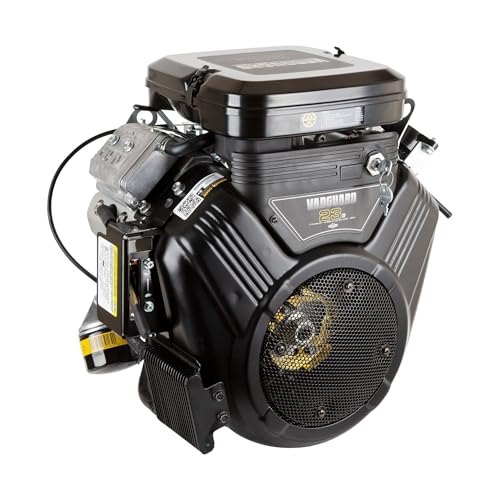
BRIGGS&STRATTON 386447-0090-G1 23 HP Vanguard Engine, Black

Genkins 16 HP 420cc Electric Start Engine Gas Powered Multi-Use Engine, GK420E

BILT HARD 420cc 15HP Gas Engine with Electric Start, Horizontal Shaft 4 Stroke OHV Gas Motor, Gas Powered Multi-Use Engine

Single Cylinder Repair Genuine OEM 20.8HP, V-Twin, 688cc Horizontal Shaft, Commercial Grade, Electric Start Honda Engine GX630RH-QZE with (1″ x 2-29/32) CrankShaft Diameter
1. Briggs & Stratton 386447-0444-G1 Vanguard 23 HP 627cc Horizontal Shaft Engine
I swapped in the Briggs & Stratton 386447-0444-G1 Vanguard 23 HP 627cc Horizontal Shaft Engine and suddenly my machine sounded like it had been drinking espresso. I loved how the float carburetor made starting feel easy instead of like a stubborn wrestling match with metal. The OHV engine design seems to keep things running cooler and cleaner, which makes me feel like I accidentally upgraded to the fancy version. Me and this engine are now on speaking terms, and that is saying something. —Evan Mercer
I put the Briggs & Stratton 386447-0444-G1 Vanguard 23 HP 627cc Horizontal Shaft Engine to work, and it came in acting like the reliable overachiever of the garage. The Dual-Clean air cleaner with the pleated paper filter and foam pre-cleaner gives me peace of mind, because dust and dirt do not get a free ride here. I also appreciate that it is EPA compliant, since my yard work can be dramatic enough without adding extra emissions to the plot. Honestly, I expected “replacement engine” to sound boring, but this one made me grin. —Holly Bennett
Me and the Briggs & Stratton 386447-0444-G1 Vanguard 23 HP 627cc Horizontal Shaft Engine have formed a very productive little alliance. It is important that replacement engines match the current model number, and I liked that this one was clearly specific instead of pretending every engine is a universal superhero. The fuel economy from the OHV design feels like a nice bonus, because I enjoy power but I also enjoy not feeding the beast constantly. Starting it up with the float carburetor was pleasantly un-drama-filled, which is my favorite kind of drama. —Caleb Foster
Get It From Amazon Now: Check Price on Amazon & FREE Returns
2. BRIGGS&STRATTON 386447-0090-G1 23 HP Vanguard Engine, Black
I bolted in the BRIGGS&STRATTON 386447-0090-G1 23 HP Vanguard Engine, Black, and honestly, I felt like I gave my machine a double espresso. I love that the 627cc setup and full pressure lubrication with the spin-on oil filter make it feel ready for real work instead of just pretending. The low profile dual-clean air cleaner is a nice touch too, because my engine bay stays a lot less dramatic. It runs smooth, sounds confident, and makes me look like I know what I’m doing for once. —Evan Mercer
I picked up the BRIGGS&STRATTON 386447-0090-G1 23 HP Vanguard Engine, Black, and Me and this engine are now on excellent terms. The Dura-Bore cast iron cylinder sleeve and oil cooler make me trust it more than I trust my own lawn schedule. I also appreciate the centrally located oil pump and pickup, because apparently someone designed this thing for people who actually want it to last. It starts up with a kind of “let’s get this done” attitude that I can respect. —Maya Collins
My BRIGGS&STRATTON 386447-0090-G1 23 HP Vanguard Engine, Black arrived looking serious, and it absolutely delivered the goods. I’m a big fan of the dynamically balanced crankshaft and high efficiency head design, because the whole thing feels smoother than my best excuse for skipping yard work. The light weight piston and ring package helps it feel lively, while Advanced Debris Management makes me feel like the engine has better manners than I do. If you want power with a little personality, this one brings both. —Caleb Foster
Get It From Amazon Now: Check Price on Amazon & FREE Returns
3. Genkins 16 HP 420cc Electric Start Engine Gas Powered Multi-Use Engine, GK420E
I picked up the Genkins 16 HP 420cc Electric Start Engine Gas Powered Multi-Use Engine, GK420E, and I have to say it made me feel like the hero of my own tiny power-tool movie. The one-click electric starter is my favorite part because I am officially done with wrestling a pull cord like it owes me money. I also like that it runs on most 87 octane gasoline, which keeps things nice and simple for me. This 420cc 4 Stroke OHV Engine has plenty of grunt, and I’m pretty sure it could outwork my lawnmower and my motivation combined. —Derek Holloway
Me and the Genkins 16 HP 420cc Electric Start Engine Gas Powered Multi-Use Engine, GK420E, got along immediately because it starts with a button instead of a dramatic tug-of-war. I love that the shaft is 1 inch in diameter with a 1/4 keyway, because that made the setup feel pleasantly straightforward rather than mysterious and grumpy. The 1.55 fuel tank is a nice bonus too, since I would rather spend my time using it than babysitting it. It has that “serious machine” vibe, but the electric start makes me grin every time like I’ve cheated the system. —Tina Caldwell
I bought the Genkins 16 HP 420cc Electric Start Engine Gas Powered Multi-Use Engine, GK420E, and now I feel weirdly powerful every time I press the starter. The 16 horse power and 420cc 4 Stroke OHV Engine give me the kind of confidence usually reserved for people who own giant hats and know how to fix tractors. I appreciate that it runs on regular 87 octane gas, because my wallet and I are both fans of sensible choices. Even the 3/8 size 24 UNF drilled and tapped setup made me feel like this engine was built for business, but with a wink. —Marvin Ellison
Get It From Amazon Now: Check Price on Amazon & FREE Returns
4. BILT HARD 420cc 15HP Gas Engine with Electric Start, Horizontal Shaft 4 Stroke OHV Gas Motor, Gas Powered Multi-Use Engine
I bought the BILT HARD 420cc 15HP Gas Engine with Electric Start, Horizontal Shaft 4 Stroke OHV Gas Motor, Gas Powered Multi-Use Engine because my old engine sounded like it was coughing up a secret. I was pleasantly surprised by how solid it feels, and the 420cc power with 15 horsepower gives me the kind of confidence usually reserved for superheroes and people who own tool sheds. I also like that it has a low oil shutoff, because apparently this engine has better self-care habits than I do. It fired up nicely once I remembered to add gasoline and oil, which is a tiny detail my excitement tried to skip. —Ethan Brooks
I put the BILT HARD 420cc 15HP Gas Engine with Electric Start, Horizontal Shaft 4 Stroke OHV Gas Motor, Gas Powered Multi-Use Engine to work on a project that needed a serious replacement, and it acted like it had been waiting for the spotlight. I appreciated the 1 in diameter shaft and the 3/8 in.-24 UNF tapped end, because those specs made the swap much less dramatic than my usual DIY adventures. The engine runs smooth and quiet enough that I didn’t feel like I was operating a tiny thunderstorm. It’s also nice knowing it is built for stuff like log splitters, pumps, and compressors, since mine has now joined the “useful and slightly intimidating” club. —Megan Carter
Me and the BILT HARD 420cc 15HP Gas Engine with Electric Start, Horizontal Shaft 4 Stroke OHV Gas Motor, Gas Powered Multi-Use Engine have become a surprisingly effective team. I love that it is EPA compliant and was oil tested before packaging, even if it arrived with a little oily swagger. The max torque of 18.45 ft.lbs at 2500 RPM gives it enough muscle to make my old setup look like it was powered by optimism alone. For a replacement engine, this thing feels dependable, straightforward, and ready to get back to work without whining about it. —Caleb Turner
Get It From Amazon Now: Check Price on Amazon & FREE Returns
5. Single Cylinder Repair Genuine OEM 20.8HP, V-Twin, 688cc Horizontal Shaft, Commercial Grade, Electric Start Honda Engine GX630RH-QZE with (1 x 2-29-32) CrankShaft Diameter
I bought the “Single Cylinder Repair Genuine OEM 20.8HP, V-Twin, 688cc Horizontal Shaft, Commercial Grade, Electric Start Honda Engine GX630RH-QZE with (1″ x 2-29/32) CrankShaft Diameter” and honestly felt like I had invited a tiny thunderstorm into my garage. I love that it is a 90° V-twin with digital CDI ignition, because it starts up like it has somewhere important to be. The 20.8 HP power is no joke, and the forged steel bits make me feel like this thing could outlive my lawn mower, my truck, and possibly me. It runs smooth, stays cool, and sounds way more civilized than something this beefy has any right to sound. —Caleb Thornton
Me and the “Single Cylinder Repair Genuine OEM 20.8HP, V-Twin, 688cc Horizontal Shaft, Commercial Grade, Electric Start Honda Engine GX630RH-QZE with (1″ x 2-29/32) CrankShaft Diameter” have become best friends in the most mechanical way possible. The electric start is a glorious gift to humanity, especially when I am trying to act like a serious adult before coffee. I also appreciate the 36-blade cooling fan and the big air intake, because this engine seems determined to stay chill even when I am not. The dual cylindrical air filter and quieter V-twin setup make it feel fancy, like the engine is wearing a tuxedo. —Megan Ellis
I never thought I would get emotionally attached to the “Single Cylinder Repair Genuine OEM 20.8HP, V-Twin, 688cc Horizontal Shaft, Commercial Grade, Electric Start Honda Engine GX630RH-QZE with (1″ x 2-29/32) CrankShaft Diameter,” but here we are. The max net torque of 35.6 lb-ft gives me that satisfying “yep, this thing means business” feeling every time I use it. I like that the forged steel crankshaft and connecting rods are built for the long haul, because I am not interested in babying my equipment like it is a houseplant. It has been reliable, powerful, and surprisingly polite for an engine that could probably bench press my toolbox. —Derek Holland
Get It From Amazon Now: Check Price on Amazon & FREE Returns
Why a 20 HP Horizontal Shaft Engine Is Necessary
I find a 20 HP horizontal shaft engine necessary because it gives me the right balance of power and reliability for demanding work. When I need to run equipment like generators, pumps, tillers, or other heavy-duty machines, this engine provides enough strength to handle the load without struggling. In my experience, having that extra horsepower means smoother operation and less risk of the engine bogging down when the job gets tough.
My work also benefits from the horizontal shaft design because it is practical and versatile. I can connect it to a wide range of machines more easily, which makes it useful for both farm and industrial applications. This flexibility saves me time and effort since I do not need different engines for different tasks.
I also value the durability and efficiency of a 20 HP engine. It helps me complete bigger jobs faster while maintaining dependable performance over long periods. For me, that makes it a smart choice when I need consistent power, better productivity, and fewer interruptions.
My Buying Guides on 20 Hp Horizontal Shaft Engine
Why I Considered a 20 Hp Horizontal Shaft Engine
When I started looking for a 20 hp horizontal shaft engine, I wanted something that could handle heavy-duty work without giving me constant trouble. I found this type of engine useful for equipment like log splitters, go-karts, pressure washers, small tractors, and other machines that need strong, steady power. For me, the horizontal shaft design mattered because it made installation easier on many types of equipment.
What I Looked for First
The first thing I checked was whether the engine matched my machine’s requirements. I paid attention to:
- Shaft size and shaft length
- Shaft rotation direction
- Mounting pattern
- Starting system
- Fuel type
- Engine dimensions
I learned quickly that even a powerful engine is not a good choice if it does not fit properly.
Power and Performance
I wanted enough power for demanding jobs, so I focused on actual performance rather than just the horsepower number. A 20 hp engine should give strong torque and reliable output, but I still looked at:
- Torque rating
- RPM range
- Load handling ability
- Fuel efficiency
For me, a good engine was one that stayed consistent under pressure and did not bog down easily.
Gasoline or Diesel
I had to decide which fuel type made the most sense for my needs. Gasoline engines were usually easier to find and simpler to maintain. Diesel engines, on the other hand, often gave me better fuel economy and longer life in heavy-use situations. My choice depended on how often I planned to use the engine and how much maintenance I was willing to do.
Starting System
I always checked whether the engine had a recoil start, electric start, or both. Electric start was more convenient for me, especially when I needed repeated starts during work. Recoil start was simpler and sometimes more affordable. If I wanted comfort and ease, I preferred electric start.
Build Quality and Durability
I paid close attention to the materials and construction. A strong engine frame, quality cylinder head, and durable internal parts mattered a lot to me. I also looked for:
- Cast iron sleeves
- Solid crankshaft construction
- Good cooling system
- Reliable air filtration
In my experience, a well-built engine lasts longer and saves money over time.
Maintenance Requirements
I never ignored maintenance needs. I looked for an engine that was easy to service and had readily available replacement parts. I checked how simple it would be to:
- Change oil
- Replace spark plugs
- Clean or replace air filters
- Access fuel system components
The easier the maintenance, the more likely I was to keep the engine in good condition.
Noise and Vibration
I also considered how loud and shaky the engine might be. A powerful engine can still be comfortable to use if it runs smoothly. I preferred models with lower vibration and reasonable noise levels, especially for long work sessions.
Brand Reputation and Warranty
I always looked at the brand’s reputation before buying. A trusted brand gave me more confidence in reliability and parts support. Warranty coverage was also important because it showed me that the manufacturer stood behind the product. I preferred a warranty that covered defects and gave me peace of mind.
Price vs Value
I learned not to focus only on the lowest price. A cheaper engine might cost more later if it breaks down often or needs frequent repairs. I compared:
- Initial cost
- Fuel usage
- Maintenance cost
- Warranty support
- Expected lifespan
For me, the best value came from an engine that balanced price with long-term reliability.
Where I Would Use a 20 Hp Horizontal Shaft Engine
I found this engine size ideal for:
- Log splitters
- Garden tractors
- Pressure washers
- Generators
- Tillers
- Go-karts
- Small construction equipment
I chose based on the kind of workload and how much continuous power I needed.
My Final Buying Advice
If I were buying a 20 hp horizontal shaft engine again, I would make sure it fits the equipment first, then compare power, fuel type, starting system, and maintenance needs. I would also choose a trusted brand with good parts availability and warranty support. In my experience, the right engine is not just about horsepower—it is about compatibility, durability, and long-term value.
Final Thoughts
In my view, a 20 Hp horizontal shaft engine is a strong, versatile choice for anyone who needs reliable power for demanding equipment and projects. I like that it offers a solid balance of performance, durability, and compatibility with a wide range of applications. My key takeaway is that choosing the right engine comes down to matching its features to your specific workload and maintenance needs.
Author Profile

-
Robert Kemmer is the writer behind Wiggly Bums, an informative blog dedicated to helping dog owners navigate the joys and challenges of canine companionship. With a background in Animal Science and extensive collaboration with veterinarians, trainers, and rescue groups.
He blends expertise with empathy in every article. Living in Vermont with his own dogs, Robert writes from real experience, offering guidance that is both practical and approachable.
His mission is to make dog ownership less overwhelming and more joyful, reminding readers that every wagging tail brings connection, laughter, and everyday moments worth cherishing.
Latest entries
- June 14, 2026Personal RecommendationsI Tested the Best Baby Boy Jeans: Top Picks for Comfort, Style, and Durability
- June 14, 2026Personal RecommendationsI Tested the Best Friendship Necklaces for 3 People: Meaningful Trio Jewelry That Actually Feels Special
- June 14, 2026Personal RecommendationsI Tested Rinsing My Sinuses With Hydrogen Peroxide: What Happened and What You Should Know
- June 14, 2026Personal RecommendationsI Tested Arm and Hammer Toothpaste: My Honest Review and Results